01 / The basics
What are cannabichromene (CBC) and CBD?
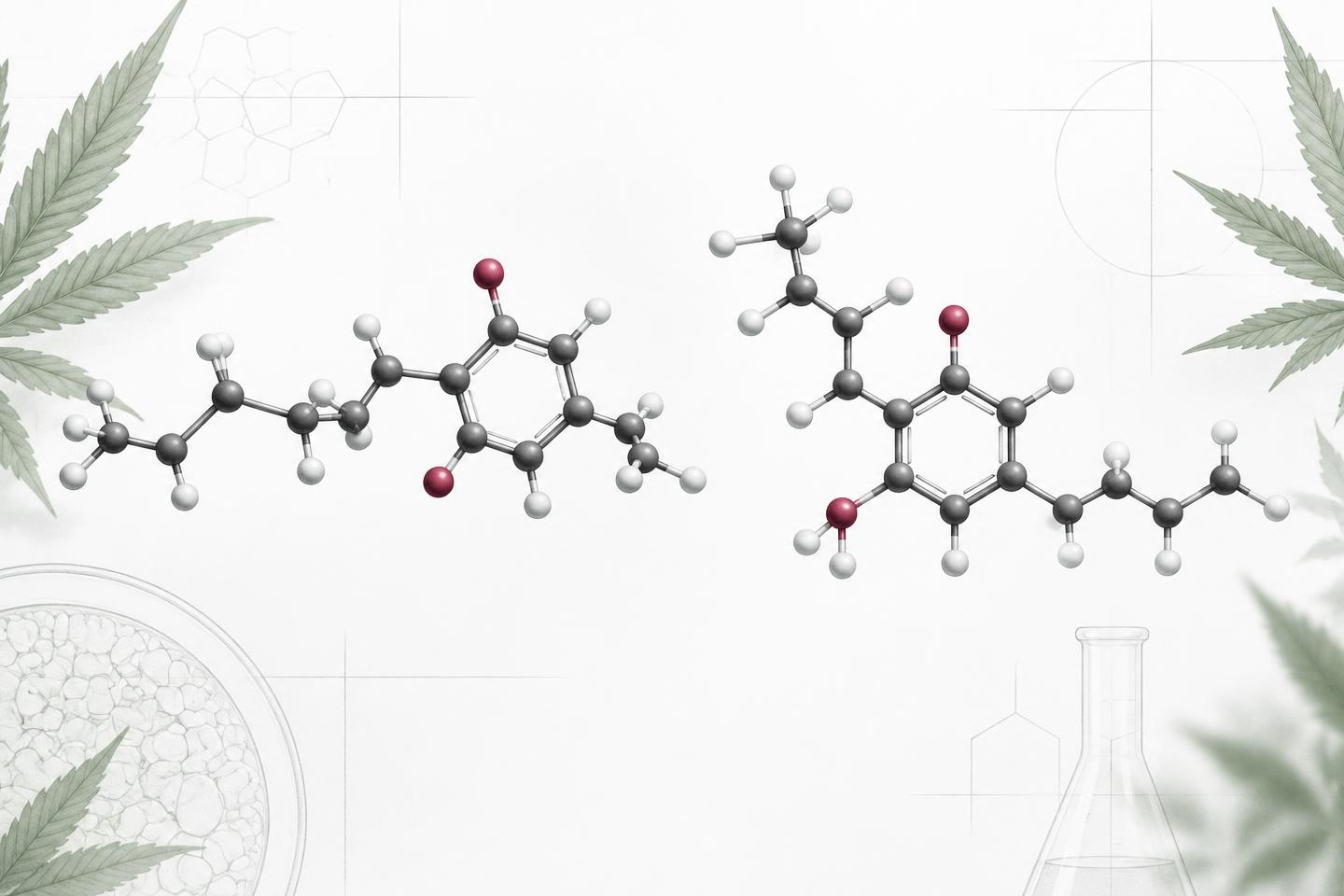
Cannabichromene, usually shortened to CBC, and cannabidiol, or CBD, are different naturally occurring compounds found in cannabis plants. Neither name tells you on its own how a finished product is made, what else it contains, or how a person will respond to it.
CBC remains much less studied than CBD. A 2024 scientific review describes early research across several areas and emphasizes the substantial gaps that remain. Early-stage findings are a reason to investigate further—not proof that a supplement treats stress or works the same way in people.[1]
02 / The evidence
Does CBC or CBD ease stress?
The careful answer is that this specific claim has not been established by strong human evidence for CBC/CBD gummies. CBC research is still developing, and laboratory or animal findings cannot by themselves show that a product relieves everyday stress in people. A review of CBC research likewise calls for more work to understand its effects and potential uses.[1]
Marketing phrases such as “stress relief” can sound definitive, but they should not be confused with an independently proven health outcome. The U.S. Food and Drug Administration notes that it is still working to answer questions about the science, safety, and quality of cannabis-derived products, including CBD, and warns consumers about unproven health claims.[2]
Interesting cannabinoid research is not the same as proof that a gummy or capsule will reduce stress.
03 / The product photo
What the supplied CBC + CBD label says
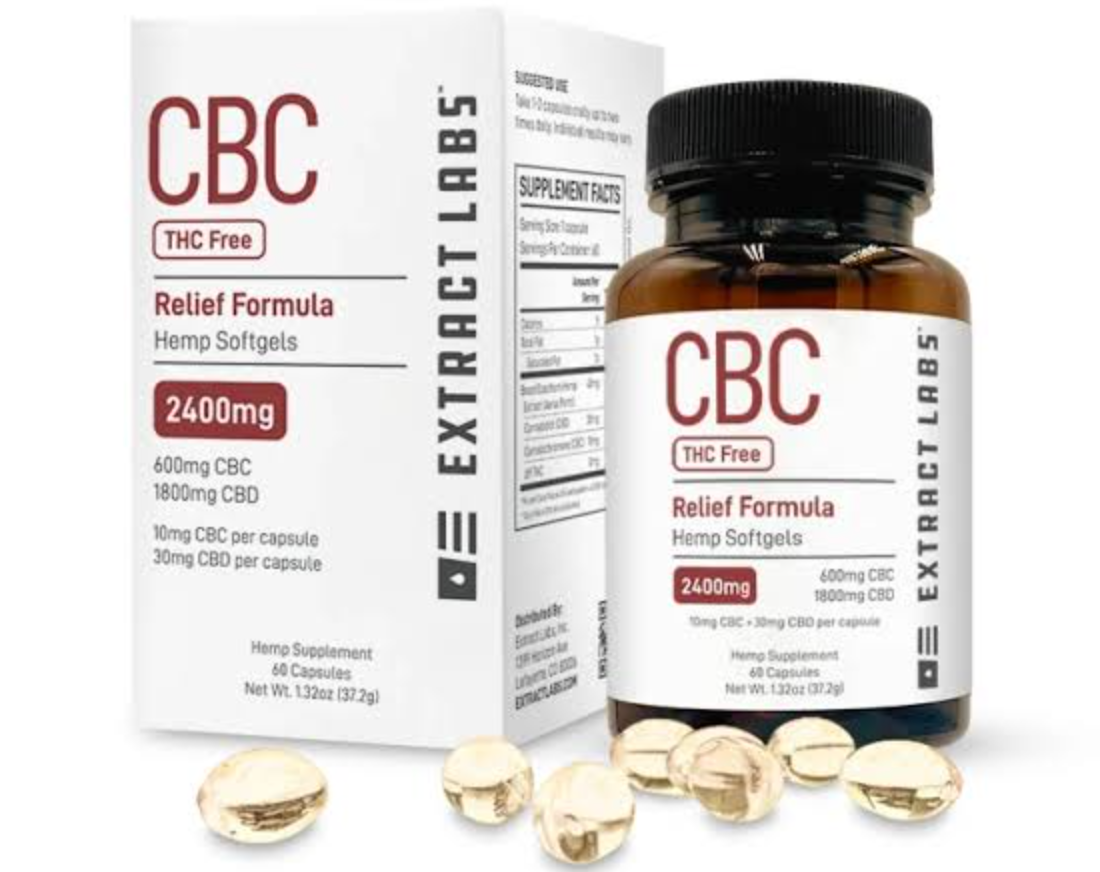
The package pictured here is labeled “CBC” and “Relief Formula” and identifies the product as hemp softgels. Its front label states 2,400 mg total, including 600 mg CBC and 1,800 mg CBD, with 10 mg CBC and 30 mg CBD per capsule, and 60 capsules per bottle. These are label statements visible in the supplied image—not independently confirmed laboratory results or proof of effectiveness.
Dosage form on label
Softgels / capsules
Cannabinoids listed
CBC + CBD
Count shown
60 capsules
Because the image is of softgels rather than gummies, verify the live listing carefully before ordering. Product formulas, serving information, and availability can change.

04 / Safety and shopping
What to check before considering a cannabinoid product
- Read the full label. Check the amount of each cannabinoid per serving, all other ingredients, serving directions, and any warnings.
- Look for credible quality information. Ask whether a recent independent lab report identifies the tested product and batch; do not assume a package image proves testing or purity.
- Discuss possible interactions. FDA warns CBD can affect how other medicines work and may carry safety risks. Talk with a qualified healthcare professional before use, especially if you take medication, are pregnant, or are breastfeeding.[2]
- Keep claims in perspective. A supplement label or testimonial is not a substitute for reliable clinical evidence or personal medical advice.
In the United States, FDA says CBD products raise unresolved regulatory questions, including how they may be marketed in foods and dietary supplements. Rules differ by location, so check current local requirements as well as the product’s actual ingredients and seller information.[3]
For ongoing or severe stress, consider speaking with a licensed healthcare professional about options supported by evidence. This article is for general information, not a diagnosis, treatment recommendation, or promise of results.
Sources
Research and consumer guidance
- Sepulveda DE et al. “The Potential of Cannabichromene (CBC) as a Therapeutic Agent.” Journal of Pharmacology and Experimental Therapeutics, 2024. Read the review
- U.S. Food and Drug Administration. “What You Need to Know (And What We’re Working to Find Out) About Products Containing Cannabis or Cannabis-derived Compounds, Including CBD.” Read FDA consumer guidance
- U.S. Food and Drug Administration. “FDA Regulation of Cannabis and Cannabis-Derived Products, Including Cannabidiol (CBD).” Read the FDA overview
This is original editorial copy, not a medical review or a guarantee of search ranking. Research and product information may change; check the linked sources and current seller page.